Presence Effects in 3D Environments
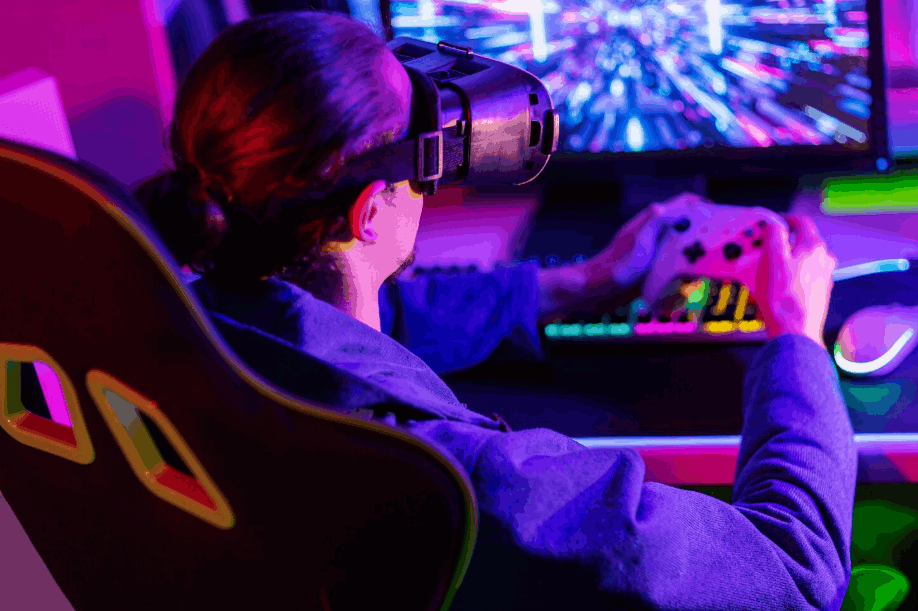
Presence effects in 3D environments are essential for immersive gameplay. Realistic environment and presence effect make players feel physically situated within the world. Interaction with the environment reinforces engagement, allowing players to influence and respond to their surroundings. Mobile games and immersion can replicate these effects through clever design. Deeply detailed worlds enhance the perception of realism and depth.
3D environment and engagement techniques help create a sense of scale and depth. Environmental detail density adds authenticity to every scene, increasing immersion. Open world game design complements these effects by providing freedom and exploration. Interaction with the environment is designed to feel natural and rewarding. Players begin to perceive the in-game world as reality rather than a constructed experience.
Presence effects are supported by dynamic systems such as physics, lighting, and sound. Realistic environment and presence effect are strengthened through consistent visual and auditory cues. Deeply detailed worlds encourage players to pay attention to subtle environmental changes. 3D environment and engagement ensure that players feel connected and involved. Interaction with the environment becomes a key element of player agency and satisfaction.
Ultimately, presence effects transform static spaces into living worlds. Environmental detail density and thoughtful design reinforce immersion. Players respond emotionally to realistic environment and presence effect. Open world game design allows exploration while maintaining engagement. Deeply detailed worlds with interactive elements make the in-game world feel convincingly real.